What if your morning started with a beach walk, a latte on Las Olas, and a short hop to a marina or downtown office? Fort Lauderdale blends resort energy with real daily routines, and that mix is a big part of its appeal. You also weigh real‑world details like condo fees, hurricane prep, parking, and commute times. This guide gives you a clear, practical look at lifestyle, neighborhoods, costs, and planning so you can decide if living in Fort Lauderdale fits you. Let’s dive in.
Fort Lauderdale at a glance
- Climate: Tropical. Expect hot, humid summers with regular afternoon storms from May through October and warm, drier winters from December through March. Average winter daytime temps land in the high 60s to 70s°F and summers in the 80s to 90s°F.
- Hurricane season: June through November is a yearly planning factor. Evacuation zones, wind and flood risk, and storm surge shape housing choices and insurance.
- Regional access: You get major flight access through Fort Lauderdale–Hollywood International Airport. Port Everglades anchors cruise travel. Tri‑Rail and Brightline offer rail options alongside Broward bus and trolley services.
- Driving: Miami is often 20 to 45 minutes south depending on traffic. West Palm Beach is roughly 40 to 60 minutes north. I‑95 and US‑1 are the main corridors.
- Cost of living: Housing, utilities, and transportation often sit above national averages. Florida has no state income tax, which can improve your overall budget.
Neighborhood vibes and daily life
Downtown, Las Olas, and the Beach
- Character: A walkable core with the Riverwalk, condo high‑rises, boutiques, and a major dining scene along Las Olas Boulevard. The public beach sits directly east across the Intracoastal.
- Lifestyle: Mix urban and coastal. Think sunrise jogs on the beachwalk, coffee shops, and dinner out. Water taxis are a fun alternative for short hops.
- Considerations: Weekend traffic and parking tighten up. Expect higher rents or condo fees for units with waterfront views.
Flagler Village and FATVillage
- Character: A former warehouse district turned creative hub with galleries, murals, breweries, and coffee spots.
- Lifestyle: Trend‑forward and event‑driven. First Friday art walks and local nightlife draw steady energy.
- Considerations: Many options for renters and first‑time buyers. Expect ongoing development and a lively scene on weekends.
Rio Vista, Victoria Park, Coral Ridge, Sunrise Intracoastal
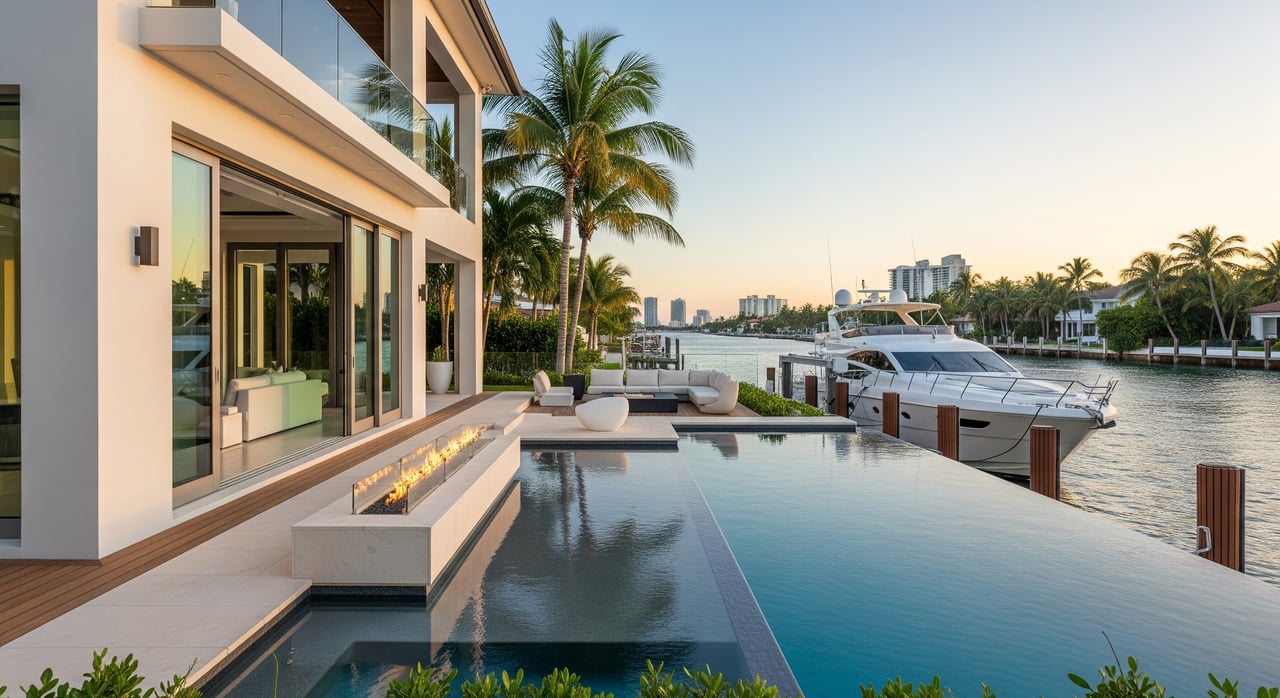
- Character: Established single‑family streets with mature trees and canal access. Many homes offer docks and easy boating.
- Lifestyle: Quiet blocks, parks, and neighborhood amenities with water access nearby.
- Considerations: Waterfront brings dock and seawall considerations. Insurance and maintenance can run higher for canal properties.
Harbor Beach and luxury waterfront enclaves
- Character: High‑end estates, private beaches, and guarded communities with proximity to upscale restaurants and marinas.
- Lifestyle: Resort‑style privacy with a focus on boating and beach access.
- Considerations: Expect higher property taxes, insurance, and HOA fees. Suits second‑home owners and affluent professionals.
Wilton Manors
- Character: A distinct, neighboring city just north with a lively commercial strip along Wilton Drive.
- Lifestyle: Walkable dining, nightlife, and regular community events.
- Considerations: Popular with renters and small households. Easy access to Fort Lauderdale’s core and beaches.
Inland suburbs and West Broward
- Character: More traditional suburban living in areas that include parts of Fort Lauderdale and adjacent cities like Davie.
- Lifestyle: Larger yards, more car‑dependent routines, and a calmer pace.
- Considerations: Often more budget‑friendly than the beach corridor. Commute patterns vary by job location.
What a typical week feels like
- Mornings: Beach runs, school drop‑offs, and dog walks along canals and parks. Coffee on Las Olas or in Flagler Village.
- Workdays: Commutes range from a quick downtown drive to rail rides within the Broward corridor. Hybrid schedules are common.
- Evenings: Waterfront happy hours, Las Olas dinners, gallery nights, or a show at local arts venues.
- Weekends: Boating on the Intracoastal, beach days, bike rides, state park trails, or a museum visit. In winter, expect busier restaurants and marinas.
Boating, beaches, arts, and dining
- Boating culture: Fort Lauderdale lives up to the “Venice of America” nickname with extensive canals, marinas, and charter options. Day‑boating, sportfishing, and paddleboarding are part of the rhythm. Slip availability, maintenance, and fuel costs are real planning items, especially in peak season.
- Beaches and parks: Fort Lauderdale Beach is a daily staple for many residents. Hugh Taylor Birch State Park offers trails and kayaking. Nearby beaches like Lauderdale‑by‑the‑Sea and Hollywood Beach add variety.
- Dining and nightlife: You find everything from high‑end waterfront dining on Las Olas to casual beachfront cafés. Seafood and Latin and Caribbean flavors are well represented. Nightlife ranges from laid‑back bars to lively downtown clubs and breweries.
- Arts and entertainment: Anchors like the NSU Art Museum Fort Lauderdale, Broward Center for the Performing Arts, FATVillage’s creative scene, and the Riverwalk Arts & Entertainment District keep a full calendar. The Fort Lauderdale International Boat Show and Las Olas Art Fair are major seasonal draws.
Practical realities to plan for
Housing types and what to look for
- Condos and towers: HOA fees usually cover building insurance, maintenance, and amenities. Review reserves, recent assessments, and building insurance. Older buildings can have special financing or insurance considerations.
- Single‑family homes: Canal‑front properties provide water access. If you plan to keep a boat, evaluate dock condition, seawalls, tidal exposure, and channel depths.
- Inspections: Prioritize wind mitigation features, roof age, flood elevation, and storm readiness. For waterfront homes, add seawall and dock inspections.
Insurance, flooding, and storms
- Wind and flood: Hurricane and flood insurance are key budget items. Your flood risk is shaped by FEMA maps, local elevation, and proximity to tidal areas.
- Building standards: Florida’s building code emphasizes wind resistance and impact‑rated openings. Newer construction often meets higher standards.
- Seasonal prep: June through November calls for preparedness plans and supplies. Some condos have established storm protocols for residents.
Commuting and mobility
- Driving: I‑95, US‑1, and the Turnpike are primary north‑south routes. Expect rush hour congestion, especially toward Miami.
- Transit: Tri‑Rail for regional commuting, Brightline for faster intercity trips, and local buses and trolleys for city travel. Water taxis can help around the Intracoastal.
- Walkability: Downtown, Las Olas, and beach blocks are walkable. Many other neighborhoods are car‑forward.
Schools and family life
- Public district: Broward County Public Schools serves the area. You can find magnet and specialty programs. Private and parochial options exist throughout the region.
- Family amenities: Parks, playgrounds, youth sports, and beaches support an active family routine. Enrollment timing and program availability can influence neighborhood choice.
Crime, safety, and seasonality
- Urban mix: As in many mid‑sized cities, crime patterns vary by neighborhood. Tourist and nightlife zones have different dynamics than quiet residential streets.
- Seasonal shifts: Winter brings more visitors, fuller restaurants, and busier corridors. Summer can be quieter but hotter and stormier.
Everyday costs and utilities
- Utilities: Air‑conditioning runs much of the year, which can raise electric bills. Water and sewer rates vary by municipality.
- Taxes: Florida levies state sales tax and county surtaxes. Property taxes vary by property values and exemptions.
Buyer and renter checklist
Use this quick list to narrow your search and prevent surprises:
- Choose your lifestyle zone: walkable Las Olas and the beach, creative Flagler Village, canal‑front neighborhoods, luxury waterfront, or inland suburbs.
- Align your budget: weigh condo fees, insurance, parking, and potential assessments against your monthly target.
- Vet building and home systems: reserves, roof age, wind mitigation, flood elevation, and for waterfront homes, seawall and dock condition.
- Plan your commute: test routes at rush hour. Consider Tri‑Rail, Brightline, water taxi, or hybrid commuting.
- Evaluate flood and storm exposure: review evacuation zones and elevation. Factor in hurricane prep each year.
- Think about boat logistics: slip availability, draft, bridge clearances, and marina access.
- Map your routine: schools or daycare, parks, groceries, gym, and beach access within your weekly path.
Ready to explore homes or rentals in the Fort Lauderdale and Broward County area with guidance tailored to your goals? Connect with the Aron Team at Premiere Realty, LLC for clear pricing insight, neighborhood expertise, and a smooth plan from search to closing.
FAQs
What is the weather like in Fort Lauderdale year‑round?
- Expect hot, humid summers with frequent afternoon storms from May through October and warm, drier winters from December through March.
How does hurricane season affect daily life in Fort Lauderdale?
- From June to November you plan ahead with supplies and evacuation awareness, and you factor wind and flood risk into housing and insurance choices.
Which Fort Lauderdale neighborhoods are most walkable for dining and beach access?
- Downtown, Las Olas, and the beach corridor offer the strongest walkability, while many other areas are more car‑dependent.
Is boating access easy for residents in Fort Lauderdale?
- Many canal‑front homes have docks, and marinas are widespread. Slip availability, seawall condition, and seasonal demand are important factors.
What are typical commute options in the Fort Lauderdale–Pompano Beach–Deerfield Beach area?
- Most residents drive using I‑95, US‑1, or the Turnpike, and some use Tri‑Rail, Brightline, local buses and trolleys, or water taxis depending on their route.
Are condos or single‑family homes more common near the beach in Fort Lauderdale?
- High‑rise and mid‑rise condos are common along the beach and Las Olas corridor, while single‑family options increase in nearby neighborhoods and inland areas.