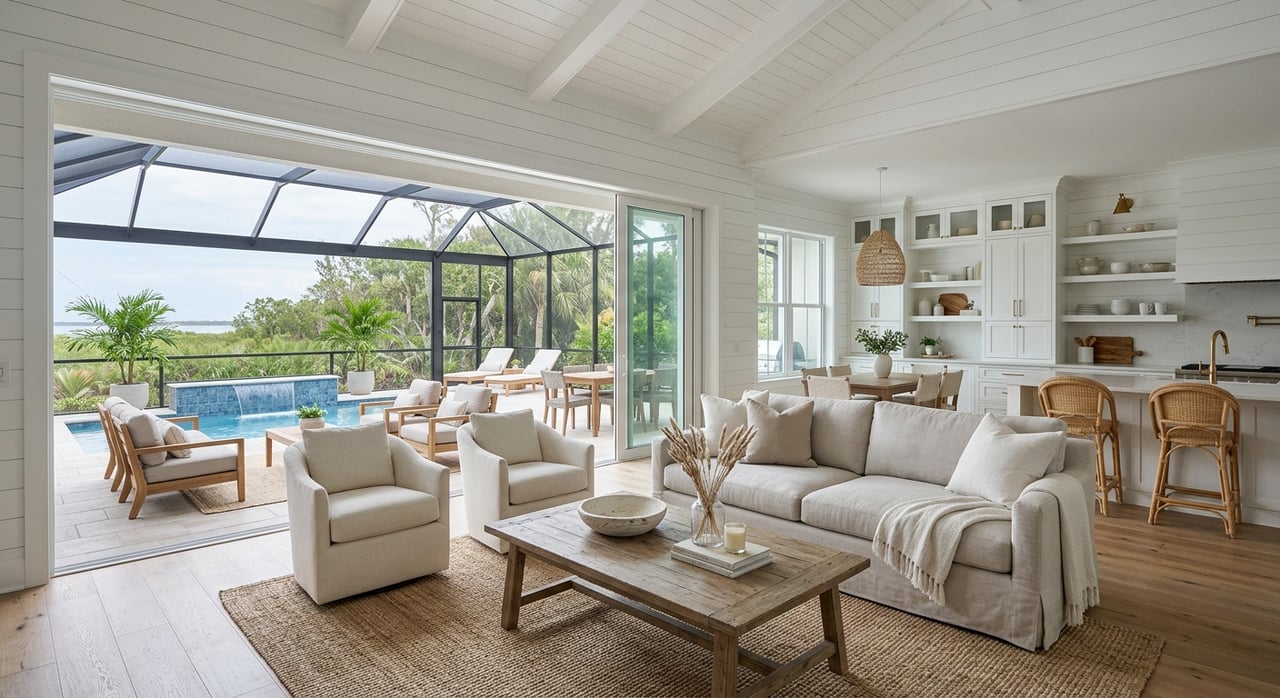
If you are deciding between east and west Boynton Beach, you are really deciding how you want your average day to feel. Some parts of town make it easier to stay close to the water, run short errands, and enjoy a more compact routine. Other areas make it easier to hop in the car, reach major retail, and connect to larger road networks fast. This guide breaks down how location shapes daily life in Boynton Beach so you can choose the side that fits your routine best. Let’s dive in.
Why the east-west split matters
Boynton Beach’s east-west divide is not just a local habit or shorthand. The city notes that in 1931, the land east of the Intracoastal became Boynton Beach, while the original town west of the Intracoastal remained Boynton. That history still shows up today in how different parts of the city function.
The city describes Boynton Beach as a 16.5-square-mile coastal community, and its current planning priorities reflect the same divide. East-west mobility, a new west Boynton recreation center, and more housing variety are all part of the city’s ongoing focus. For you, that means location can shape everything from your commute to your weekend routine.
East Boynton daily life
East Boynton tends to feel more water-first and more compact in certain areas. If you like the idea of being closer to downtown activity, marina access, and the beach, the east side often supports that lifestyle. Your day may involve shorter local trips and more reasons to stay near the coast.
The city describes Oceanfront Park Beach as a 20-minute walk or 7-minute bike ride from downtown. That gives east Boynton a more connected feel for residents who want beach access worked into everyday life rather than saved only for weekends. The waterfront setting also adds a different rhythm to dining, recreation, and evening plans.
East-side commuting and getting around
East Boynton is more surface-street oriented. PalmTran Route 1 follows Federal Highway through Boynton Beach, with stops at Boynton Beach Boulevard, Woolbright Road, and Gateway Boulevard. That makes the eastern and central corridor more practical for shorter local trips and bus-based travel.
The city’s strategic plan also includes bike lanes on Federal Highway. While most residents still drive for many trips, that investment supports a more walk-and-bike-friendly feel in parts of the east side. If your routine includes errands, dining, or recreation close to downtown and the coast, that can make a real difference.
East-side dining and recreation
East Boynton has the strongest waterfront-dining identity. The Boynton Harbor Marina offers waterfront dining along with water-based activities, which helps create a lifestyle centered on the Intracoastal and ocean access. If you enjoy ending the day near the water, this side of town naturally supports that pattern.
Oceanfront Park Beach is open daily from sunrise to 9 p.m., with lifeguards on duty from 9 a.m. to 5 p.m. The marina also offers charters, jet skis, boat rentals, scuba diving, and other water activities. The city says it has five parks on the Intracoastal Waterway, which adds even more outdoor options on the east side.
East-side housing feel
East Boynton is generally the side most likely to feel older, denser, and more mixed-use. The city has an active historic preservation program, and current downtown priority projects include Town Square, Broadstone, Village at East Ocean, The Pierce, and One Ocean. Together, those details point to a mix of historic homes, condos, townhomes, and newer residential development near downtown and the coast.
The marina area also includes waterfront homes along the waterway. That means east Boynton can offer a broad mix of property types in a smaller geographic area. If you want variety and a stronger connection to the city’s coastal character, the east side often stands out.
West Boynton daily life
West Boynton tends to feel more suburban, more spread out, and more driving-oriented. If your routine depends on easier car access, larger retail corridors, and neighborhood patterns built farther inland, the west side may feel more natural. Many buyers are drawn to the way west Boynton supports a drive-to-everything lifestyle.
This part of Boynton Beach grew in a different pattern than the east side. The county’s West Boynton Area Community Plan notes that development moved west of I-95 over time, and that the main commercial center later shifted toward Congress Avenue and Boynton Beach Boulevard. That shift still shapes how shopping, errands, and residential areas are organized today.
West-side commuting and access
West Boynton is more freeway-friendly. The city says Boynton Beach has direct access to the Florida Turnpike and three I-95 exits, and FDOT lists nearby I-95 exits at Woolbright Road, Boynton Beach Boulevard, and Gateway Boulevard. Florida’s Turnpike Enterprise is also improving the Boynton Beach Boulevard interchange at Exit 86.
If you commute around Palm Beach County or need regular highway access, west Boynton may feel more convenient. PalmTran service changes that took effect May 17, 2026 replaced Route 71 with Route 4 and extended Route 4 to the Boynton Beach Mall. That strengthens the mall, Lawrence, and Gateway corridor as a west-side transit anchor, while the Boynton Beach Tri-Rail park-and-ride on High Ridge Road remains a regional commuting option.
West-side shopping and errands
West Boynton is where larger shopping and errand patterns cluster. The county plan explains that the region’s commercial focus shifted westward after the Boynton Beach Mall was built, especially toward Congress Avenue and Boynton Beach Boulevard. The city also describes Boynton Beach as having outdoor lifestyle shopping centers and a regional mall.
In practical terms, west Boynton often suits people who expect to drive to retail, groceries, services, and everyday appointments. Rather than centering daily life around the water, this side of town is more often organized around major road corridors and commercial centers. That can be a good fit if convenience by car matters more than coastal proximity.
West-side recreation and housing feel
West Boynton is more inland in character, with recreation that leans toward golf and community parks. The Links at Boynton Beach sits on Jog Road and is open seven days a week. The city’s strategic plan also calls for a new park or major recreation center in west Boynton Beach.
The city says it operates nine recreation centers and 29 parks overall, so both sides of Boynton Beach have access to public recreation. Still, the west side generally feels more car-accessible and neighborhood-based. The county plan also points to west-side residential growth patterns that help explain why this area is often associated with newer subdivisions and larger-lot single-family homes.
East vs. west Boynton at a glance
Here is the simplest way to think about the difference:
| Daily life factor | East Boynton | West Boynton |
|---|---|---|
| Overall feel | Coastal, compact in some areas | Suburban, more spread out |
| Getting around | Surface streets, Route 1, bike emphasis on Federal | Highway access, mall corridor, Route 4 |
| Lifestyle anchor | Beach, marina, waterfront dining | Retail corridors, driving convenience, golf |
| Recreation style | Water access and Intracoastal parks | Inland parks and golf-oriented recreation |
| Housing pattern | Older, mixed-use, condos, townhomes, waterfront mix | Newer suburban pattern, larger-lot single-family feel |
Which side fits your lifestyle?
If you want to be closer to the beach, marina activity, and a more compact daily routine, east Boynton may align better with how you live. It is especially appealing if your idea of convenience includes nearby waterfront recreation, local dining, and access to downtown-adjacent areas. Buyers who value coastal character often start here.
If you want easier highway access, larger shopping corridors, and a more suburban day-to-day setup, west Boynton may be a better fit. It often works well for buyers who expect to drive regularly for errands, commuting, and recreation. The appeal is less about being near the water and more about how easily the area connects to everyday needs.
It is also important to remember that Boynton Beach is not strictly one thing or another. The city’s planning goals include more housing variety across the community, including single-family homes, condos, townhomes, and apartments. In other words, the difference between east and west is more about dominant feel than absolute rules.
What buyers and sellers should keep in mind
For buyers, the smartest move is to think beyond the map and focus on your routine. Ask yourself where you spend your weekdays, how often you need highway access, whether beach and waterfront amenities matter to you, and how you prefer to handle errands. Those details often matter just as much as square footage or list price.
For sellers, the east-west difference can shape how your home should be positioned in the market. A home on the east side may attract attention for coastal access, mixed-use convenience, or marina proximity. A home on the west side may stand out for commuter access, retail convenience, golf, or a more suburban setting.
That is where local guidance matters. When you understand how buyers experience each part of Boynton Beach, it becomes much easier to narrow your search or market your home clearly and confidently.
If you are comparing neighborhoods in Boynton Beach, buying your next home, or preparing to sell, working with a local team can help you match the property to the lifestyle. Connect with Premiere Realty, LLC for personalized guidance on Boynton Beach homes, condos, rentals, valuations, and local market insight.
FAQs
What is the main difference between east and west Boynton Beach?
- East Boynton is generally more water-focused and compact in certain areas, while west Boynton is generally more suburban, freeway-friendly, and organized around larger retail and driving patterns.
Is East Boynton Beach closer to the beach and marina?
- Yes. East Boynton includes closer access to Oceanfront Park Beach, the Boynton Harbor Marina, and several parks along the Intracoastal Waterway.
Is West Boynton Beach better for commuting by car?
- West Boynton is generally better positioned for highway access because it connects more directly to the Florida Turnpike and nearby I-95 exits at Woolbright Road, Boynton Beach Boulevard, and Gateway Boulevard.
Does Boynton Beach have public transit on both sides?
- Yes. East Boynton is served by PalmTran Route 1 along Federal Highway, and west Boynton has Route 4 service connected to the Boynton Beach Mall corridor. The Boynton Beach Tri-Rail park-and-ride also supports regional commuting.
What types of homes are common in East Boynton Beach?
- East Boynton is often associated with a mix of historic homes, condos, townhomes, mixed-use development, and some waterfront properties near the coast and downtown.
What types of homes are common in West Boynton Beach?
- West Boynton is often associated with a more suburban development pattern, including newer subdivisions and larger-lot single-family homes, though housing types can vary across the area.
How can buyers choose between east and west Boynton Beach?
- The best choice usually comes down to your daily routine, including commute patterns, preferred recreation, shopping habits, and whether you want to be closer to coastal amenities or major road corridors.