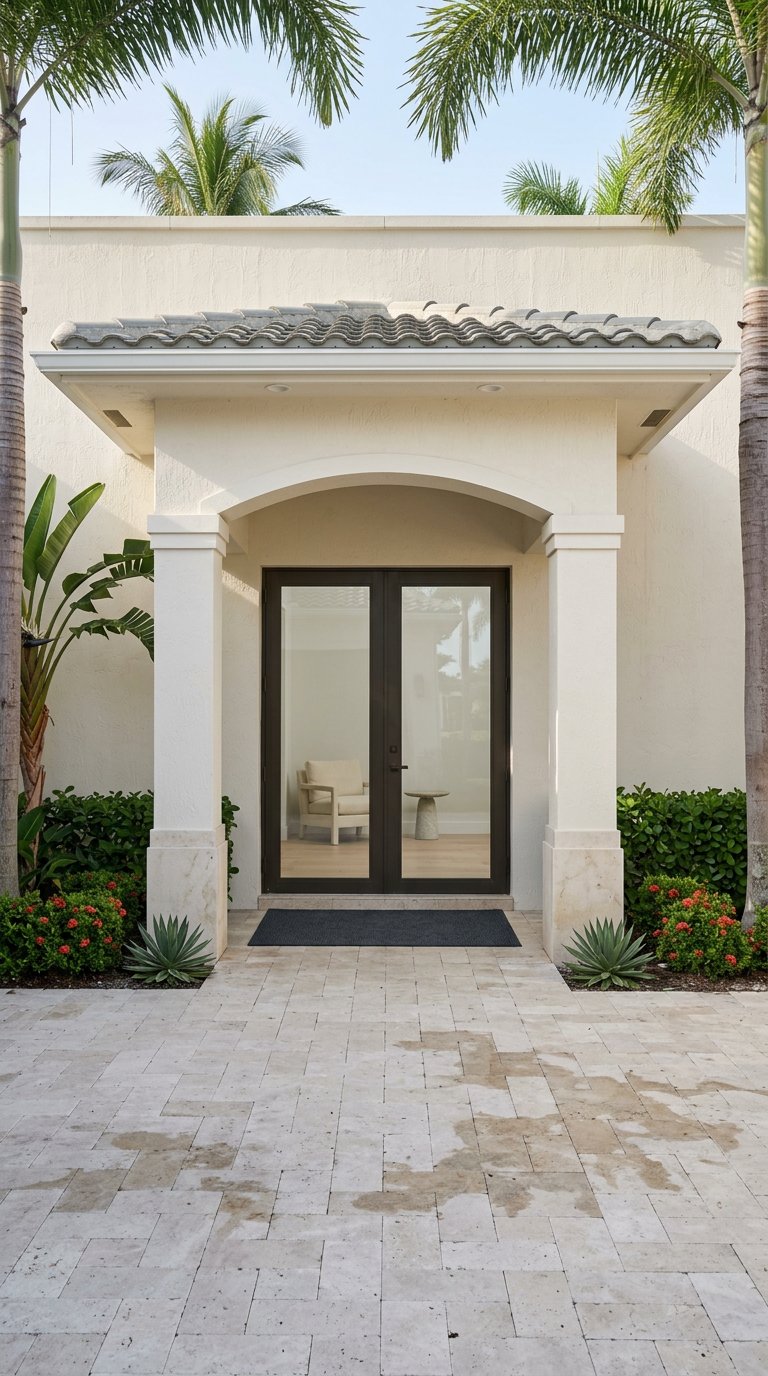
Thinking about trading yard work for ocean breezes and a simpler routine? If you are eyeing a move from a single‑family home to a Boca Raton condo or villa, you are not alone. Many local owners unlock equity, cut maintenance, and choose a lock‑and‑leave lifestyle that fits more travel and less to‑do list. In this guide, you will learn how to compare buildings, understand fees and insurance, plan for taxes and homestead portability, and follow a 10‑step due‑diligence plan so you can buy with confidence. Let’s dive in.
Why Boca Raton works for downsizers
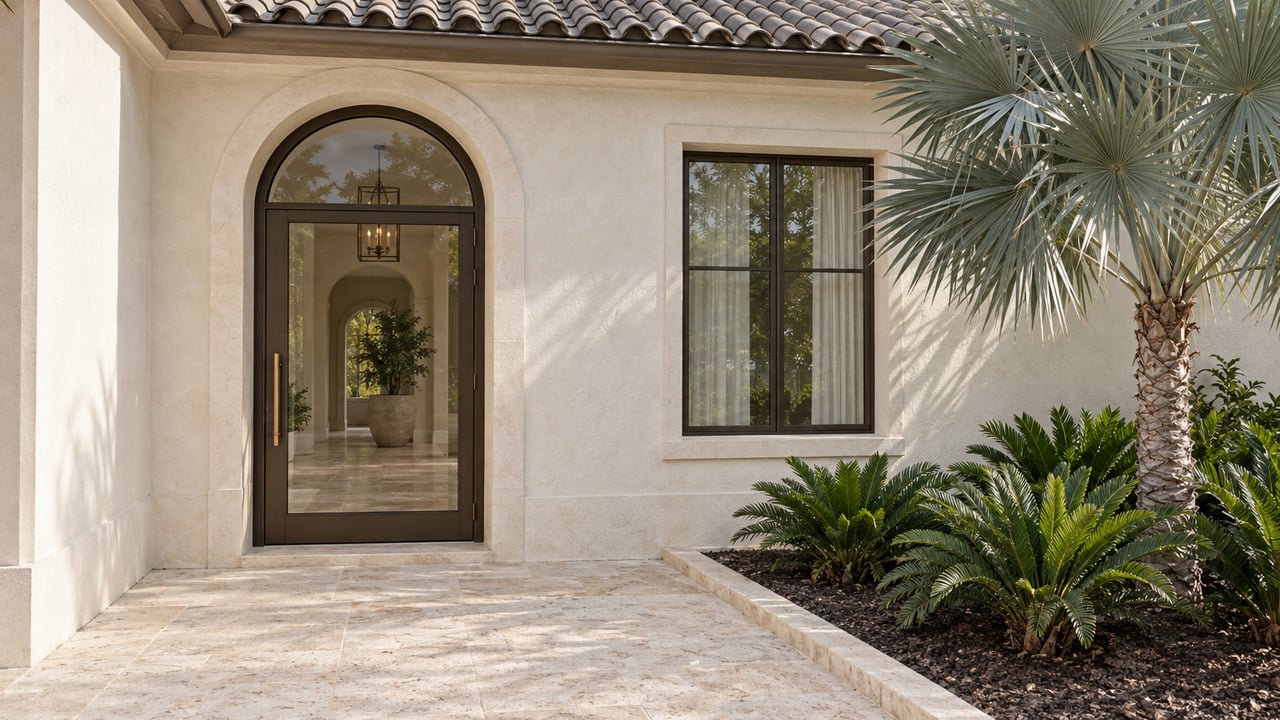
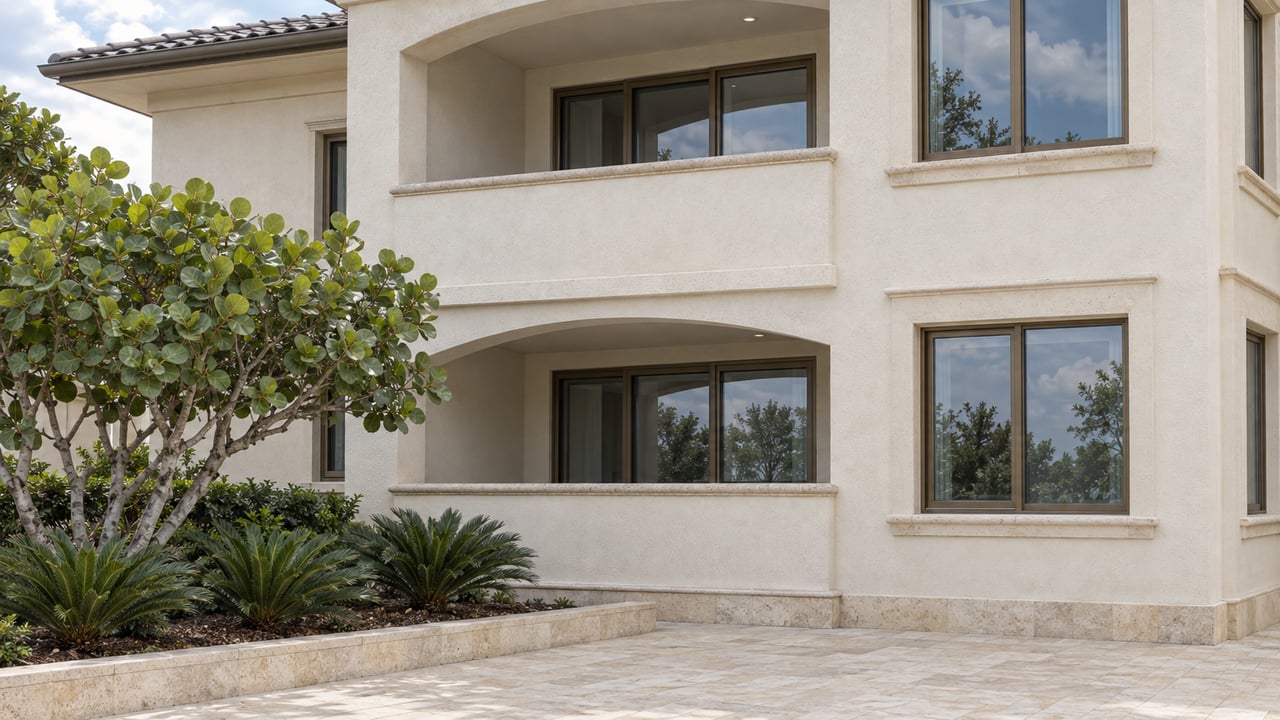
Boca Raton offers a mix of downtown high‑rises, waterfront towers, mid‑rise and garden condos, and gated villa communities. That variety lets you choose the size, services, and budget that fit your next chapter.
For context, the Palm Beach County condo and townhouse segment posted a January 2026 median sale price of $325,000, according to the latest county report from Florida Realtors and the local MLS. You can review the county detail in the Palm Beach Townhouses and Condos report for January 2026. See the data here.
Boca’s neighborhoods include downtown, waterfront, and club communities that often price above county medians, especially in upper‑tier buildings. That means many sellers who are moving from a larger home have meaningful equity to deploy toward a lower‑maintenance property.
Choose your fit: condos vs villas
High‑rise waterfront condos
You will find full‑service buildings near the ocean and Intracoastal with 24‑hour front desks, valet, pools, fitness centers, and garage parking. These can be ideal if you want strong security and true lock‑and‑leave convenience. Expect higher monthly assessments that reflect amenities and insurance on taller, coastal structures.
Mid‑rise and garden‑style condos
These buildings often have fewer services and a smaller scale, which can mean lower monthly fees. You still get exterior maintenance handled by the association, and many are near parks and retail. Guest parking and storage can be limited, so confirm details during showings.
Villas and townhomes in gated communities
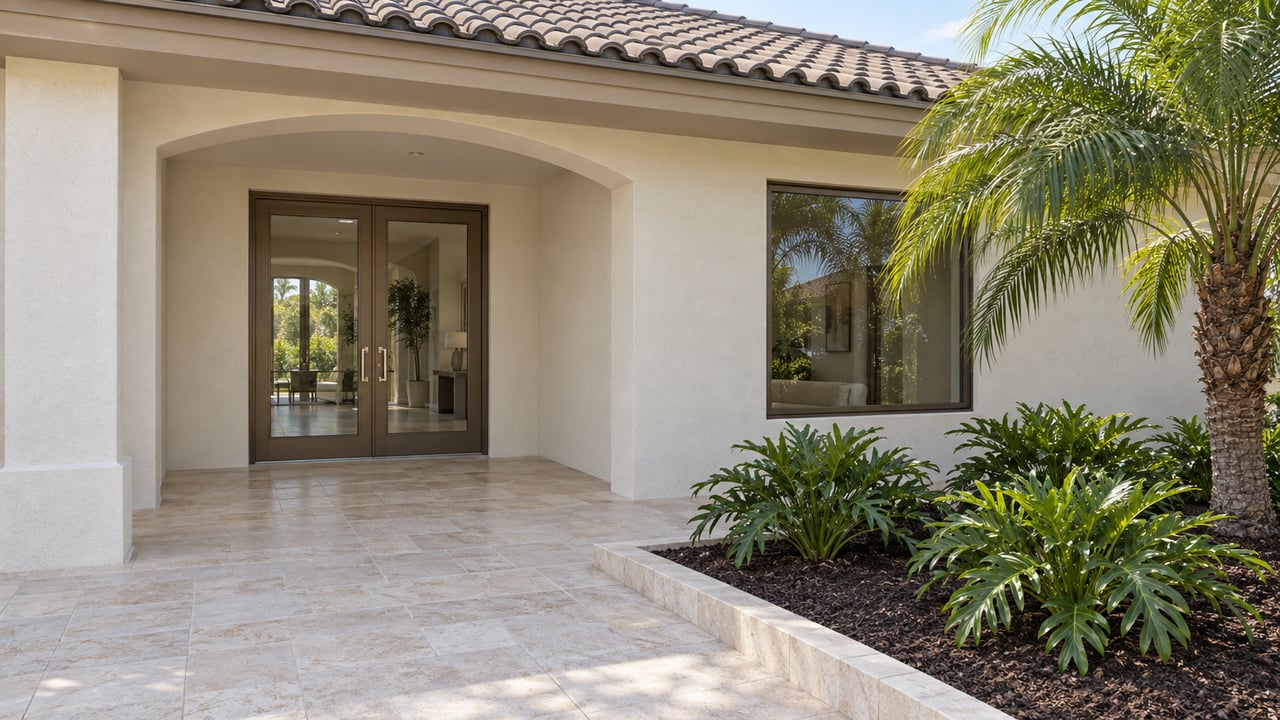
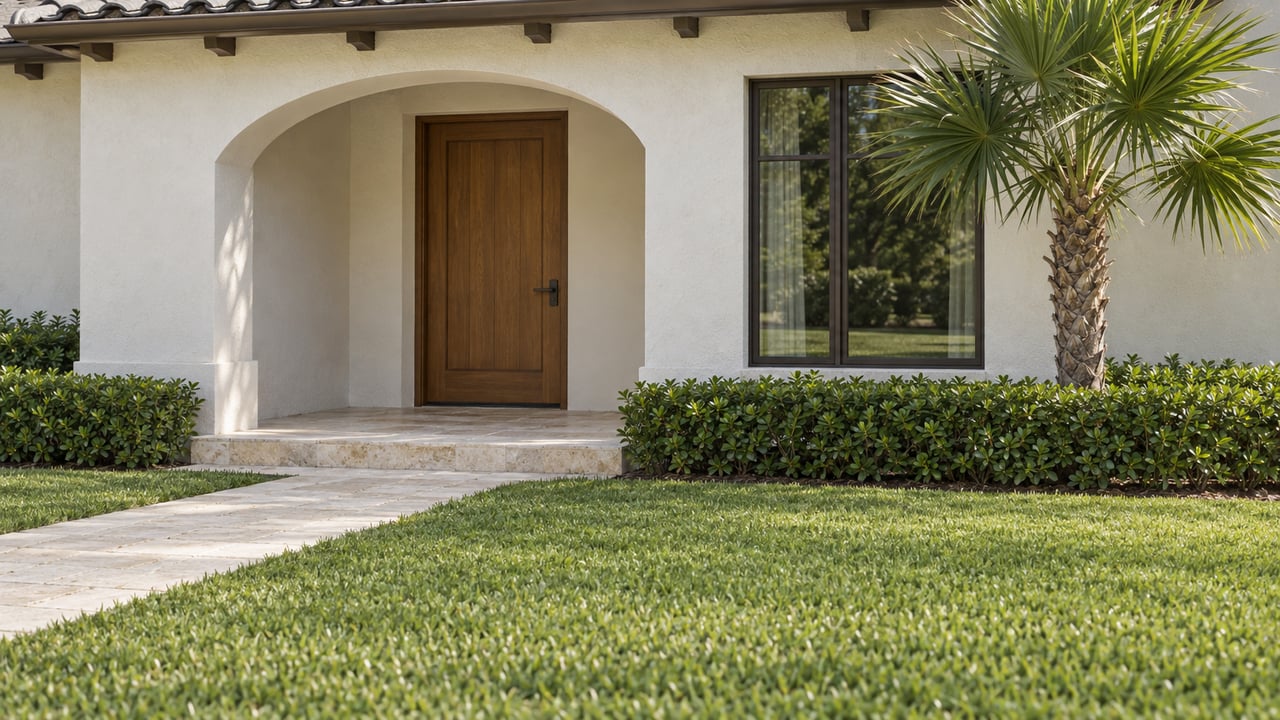
Single‑level living, deeded parking, and small private outdoor areas are common. The HOA typically maintains landscaping and community amenities like pools and roads. You get less vertical‑building exposure to large capital projects, but you should still review reserves, insurance, and any club dues where applicable.
55+ and active‑adult options
Palm Beach County includes age‑restricted communities designed for active adults. If that appeals to you, confirm age limits, amenity programs, and all community rules with the association before you commit.
How to compare Boca buildings with confidence
When you downsize to a condo or villa, the association’s documents and finances matter as much as the unit itself. Use this framework to compare options.
Governance and disclosure documents
Florida’s Condominium Act sets disclosure and timing rules for resale condo transactions. You should receive the association’s resale packet and estoppel with key information about dues, rules, and assessments. Review the statutory cancellation language in your contract and know your rights to rescind within the required timeframe. For statutory context, see Florida’s condominium disclosure framework in the state session records. Review the statute source.
Request these items early and read them before you waive contingencies:
- Estoppel letter with itemized dues, arrears, and pending assessments.
- Declaration, bylaws, articles of incorporation, rules and all amendments.
- Current budget, most recent year‑end financials, and reserve bank statements.
- The latest reserve study and any Structural Integrity Reserve Study, if applicable.
- Board minutes from the past 12 to 24 months.
Financial health, reserves, and special assessments
Florida law requires certain condominiums to complete a Structural Integrity Reserve Study for buildings above specific heights and to maintain reserves based on those findings. Ask whether a SIRS is required for the building you are considering, whether it has been completed, and how the association is funding the recommended items. Read the statute on reserves and SIRS.
Check minutes for recent or upcoming capital projects like roofs, concrete restoration, balconies, parking structures, and elevators. Special assessments can change your monthly costs and future resale marketability, so request timelines, bids, and financing plans.
Insurance: master policy plus your HO‑6
Association insurance is a major driver of fees in Florida. Statewide data show condo association master policy premiums have more than doubled since 2022, and many associations have passed those increases to owners. Review the declarations page, hurricane and wind coverage, and the deductible percentage for named storms. See the statewide premium trend context.
You will also need an HO‑6 condo unit‑owner policy for your interior finishes, contents, liability, and loss‑assessment coverage. Ask your insurer to pre‑quote your HO‑6, including ordinance or law and loss‑assessment endorsements, so you understand the total carrying cost.
Physical condition and building systems
Note the building’s age and construction type, roof age, elevator condition, chilled water or HVAC setup, and any parking deck or seawall work if waterfront. For buildings three stories or higher, SIRS requirements may apply, which is another reason to obtain recent engineering and reserve reports. Reference the statutory SIRS framework.
Lifestyle and rules
Compare what each building includes in its monthly fee, such as water, cable, internet, security, valet, concierge, and fitness. Confirm pet, storage, and vehicle rules. Review rental policies carefully. Some associations and municipalities restrict or register short‑term rentals, so verify both the condo documents and city code before you plan to lease.
What drives fees and taxes
HOA and condo fees
Monthly dues reflect amenities, staffing, building age and size, reserves, and especially insurance costs. Since association premiums rose sharply statewide after 2022, many South Florida buildings increased assessments. Always confirm the current fee, what it includes, and whether there are special assessments in place or being considered. This insurance market briefing explains the premium volatility.
Capital gains basics when you sell to downsize
If you sell a primary residence, you may qualify to exclude up to $250,000 of gain if single or $500,000 if married filing jointly, subject to ownership and use tests. Review the IRS rules and worksheets to estimate your exposure. Start with IRS Topic No. 701. Consider speaking with a CPA for personalized guidance.
Homestead and portability in Florida
Florida’s homestead exemption and Save Our Homes assessment cap can reduce your property taxes, and portability lets eligible owners transfer a portion of that benefit to a new Florida homestead, subject to limits and deadlines. Map your sale and purchase timing against the January 1 residency date and the March 1 filing window. See the state’s homestead and portability guidance and review local filing instructions at the Palm Beach County Property Appraiser.
Lock‑and‑leave essentials in Boca
Downsizing is not only about square footage. It is also about how the building supports your lifestyle.
- Storage: Confirm whether your unit includes a storage locker. Note the size, location, and whether lockers are deeded or assigned. Ask about on‑site rentable storage.
- Parking: Verify deeded or assigned stalls, whether the space is covered, and if tandem spaces are used. Ask about guest parking hours and any fees for visitors.
- Guest suites: Some full‑service buildings offer rentable guest suites. Ask about nightly rates, booking windows, and how often owners can reserve them.
- Packages and concierge: If you travel often, front‑desk package handling and building security can be worth higher dues. Ask about contact protocols for emergencies and vendor access.
Who covers what: quick insurance checklist
Coverage can vary by building, so always confirm in the condo documents and the association’s insurance declarations. This table is a starting point for questions to ask.
| Covered by | Typically includes | Confirm in |
|---|---|---|
| Association master policy | Building structure, roof, exterior, common areas, often plumbing risers and electrical to the unit boundary; hurricane coverage subject to a deductible | Insurance declarations, condo bylaws |
| You and your HO‑6 policy | Interior finishes, fixtures, appliances, personal property, liability, loss‑assessment coverage, additional living expenses | Your HO‑6 policy, association coverage summary |
Tip: Ask whether the master policy is “bare‑walls‑in” or “all‑in,” then have your insurer tailor the HO‑6 to close any gaps.
Flood and elevation checks in Boca Raton
Coastal proximity is part of Boca’s appeal, and it is why you should confirm a property’s flood risk and elevation. Request or order an Elevation Certificate for accurate flood insurance pricing if the property is in or near a Special Flood Hazard Area. Review the city’s flood‑zone resources and contact the floodplain manager with questions. Use the City of Boca Raton’s flood information page. Also consider recent and pending map amendments in Palm Beach County. Here is a sample county map amendment record for context.
Your 10‑step due‑diligence plan
- Ask the seller or listing agent to order the full condominium resale packet and estoppel immediately. Review it before waiving inspections. See Florida’s resale disclosure context.
- Review the association’s current budget, year‑end financials, reserve balances, and bank statements.
- Obtain the most recent reserve report and any Structural Integrity Reserve Study. Confirm what is funded and on what timeline. Statutory reference.
- Read board minutes for the last 12 to 24 months to spot litigation, capital projects, or policy changes.
- Request the association’s insurance declarations. Note wind and hurricane deductibles and premium trends. Ask your insurer to pre‑quote your HO‑6 with loss‑assessment coverage. Insurance market context.
- Order or request an Elevation Certificate where relevant, and review FEMA flood maps and local resources. Start with Boca Raton’s flood portal.
- Hire a condo‑savvy home inspector, and consider a building engineer or marine contractor for seawalls if waterfront.
- Confirm rental policies, including lease minimums and any short‑term rules, and check for a right of first refusal.
- Verify what your monthly fee includes, especially utilities, internet, security, valet, and reserve contributions.
- If you are selling a Florida home and buying another primary residence here, map out capital‑gains eligibility and Florida homestead portability deadlines with your CPA and the county appraiser. IRS Topic 701 and Florida homestead guidance are good starting points, and the Palm Beach County Property Appraiser explains local filing.
Next steps
Downsizing should feel exciting, not stressful. If you want a curated list of Boca Raton condos and villas that fit your budget and lifestyle, along with a clear read on fees, insurance, and reserves, our team is here to help. We will line up documents early, coordinate inspections, and keep your timeline on track.
Reach out to Premiere Realty, LLC to talk strategy or to request a Free Home Valuation for your current property. Let’s make your next move simple.
FAQs
What should I budget for monthly condo fees in Boca Raton?
- Fees vary by building age, amenities, staffing, reserves, and insurance. Because association insurance premiums rose sharply after 2022, confirm current dues, what they include, and any special assessments before you commit.
How do I know a Boca condo association is financially healthy?
- Review the current budget, year‑end financials, reserve balances, the latest reserve or SIRS report, and board minutes for 12 to 24 months. Ask about projects, assessments, and any loans tied to capital work.
Do I need flood insurance for a Boca Raton condo or villa?
- It depends on the location and elevation. Ask for an Elevation Certificate and check local flood maps. Lenders may require flood insurance in Special Flood Hazard Areas. Start with the city’s flood resources.
What is a Structural Integrity Reserve Study in Florida?
- A SIRS is a reserve study required for certain multi‑story condos in Florida. It assesses structural components and helps set reserve funding. Ask whether your building requires one and if it has been completed.
How does Florida homestead portability help downsizers?
- If you are moving to another Florida primary residence, portability may let you transfer part of your Save Our Homes benefit to reduce taxes on the new home, within limits and deadlines. Check state guidance and local filing steps.