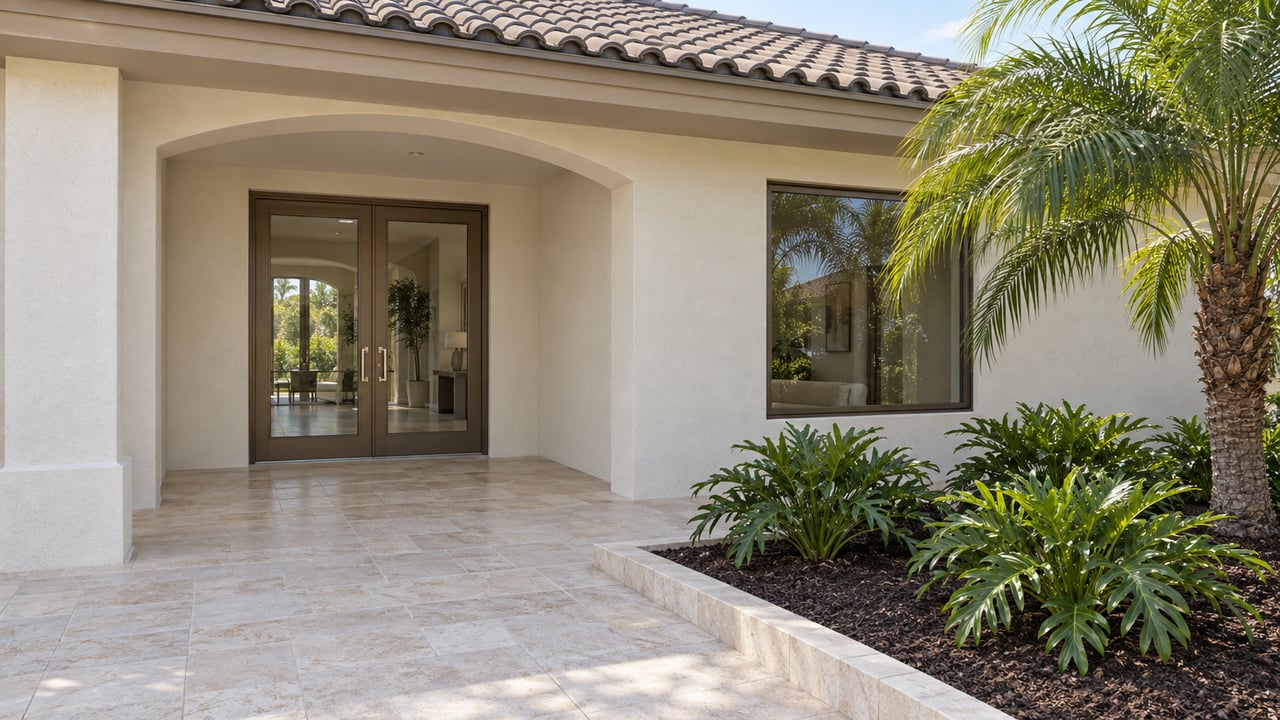
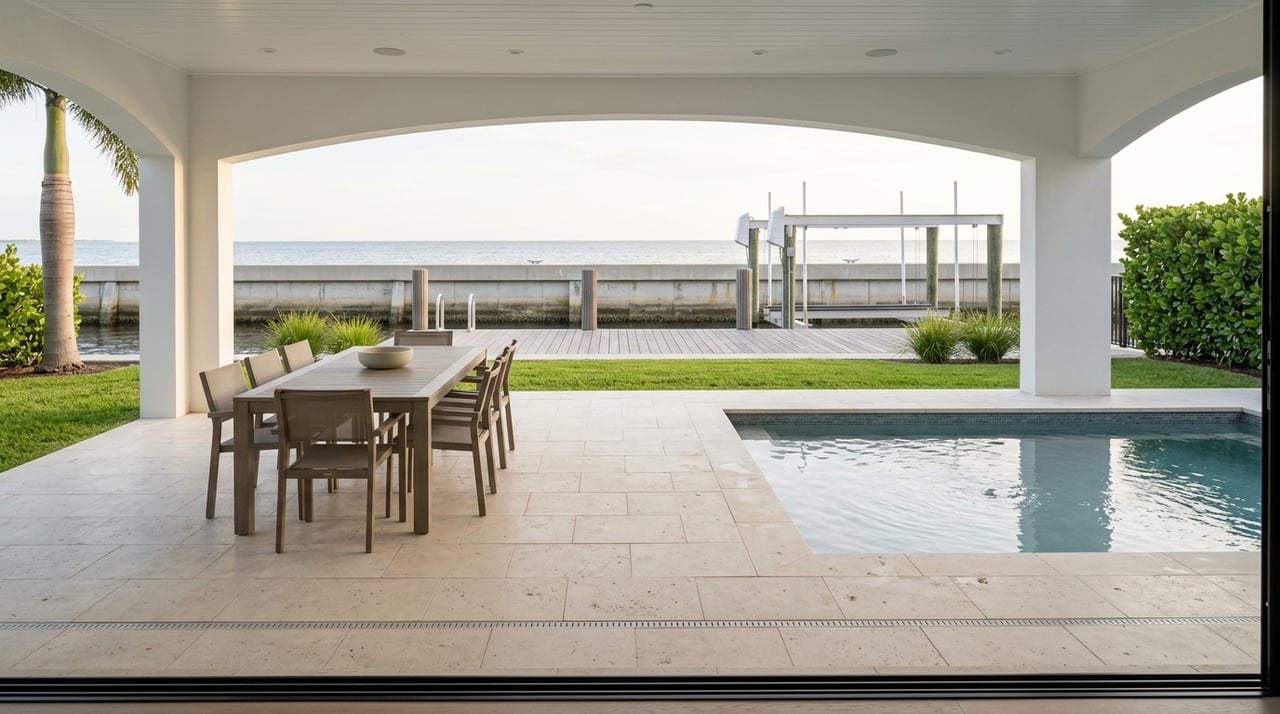
Dreaming about a home where your backyard meets the water? In Fort Lauderdale, that dream can be very real, but waterfront buying comes with more moving parts than a typical home search. If you want to buy smart, you need to look beyond the view and understand access, permits, insurance, and ownership details before you commit. Let’s dive in.
Fort Lauderdale Waterfront Market Basics
Fort Lauderdale is known for its extensive water network, with 165 miles of inland waterways that include canals, rivers, the Intracoastal Waterway, inlets, and beach access areas. That wide mix is a big reason the waterfront market includes everything from condos to high-end estates. It also means that two homes both labeled "waterfront" may offer very different day-to-day experiences.
As of spring 2026, the market remains broad and active. Redfin reports 1,258 waterfront homes for sale in Fort Lauderdale with a median listing price of $659,000, while Realtor.com shows a citywide median listing price of $625,000 and a median 90 days on market. Realtor.com also identifies Fort Lauderdale as a buyer’s market, with homes selling about 5.08% below asking on average.
Price points vary widely by property type and location. Recent examples range from a $299,000 River Reach condo to an $8.75 million Pelican Drive estate. ZIP-level median listing prices help frame the range further, with about $569,000 in 33308, $590,000 in 33312, $865,000 in 33304, and $1.43 million in 33301.
Why “Waterfront” Is Not One Thing
In Fort Lauderdale, waterfront value depends on more than just having water behind the home. Water type, boating access, dock rights, seawall condition, flood exposure, and association rules can all affect how useful and costly a property will be. That is why the best waterfront searches start with your goals, not just listing photos.
If you want a condo with a water view, your checklist may focus on association documents, insurance, and slip access. If you want to keep a boat behind your home, you will need to dig deeper into canal depth, route restrictions, and seawall condition. A property can look perfect online and still fall short once the practical details come into view.
Canal vs. Intracoastal Access
Canal Access Needs Closer Review
Fort Lauderdale’s subdivision standards require canals and waterways to be at least 60 feet wide. Canals that connect to navigable waterways must also meet minimum depth standards, including 9 feet at mean high tide or 6.5 feet at all times if they are not tidal. Those standards help establish a baseline, but they do not automatically tell you whether a specific property works for your boat.
That is why canal-front homes deserve careful review. You will want to know whether the waterway has enough depth for the vessel you plan to use, whether any part of the route is shallow or restricted, and whether the canal is part of a public navigation system or a private interior waterway. It is also smart to ask whether the canal has been dredged recently and who would be responsible for future maintenance.
Intracoastal and River Frontage Can Differ Too
Intracoastal-front or New River properties may offer more direct access to open water. For many buyers, that can be a major advantage. At the same time, those locations may also come with more boat traffic and greater wake exposure, which can affect comfort, dock wear, and maintenance over time.
The key takeaway is simple: photos do not tell the full story. Two homes may both appear boat-friendly, but the route to open water, depth, and traffic patterns can make one far more practical than the other.
Dock Rights and Waterfront Ownership
One of the most important legal details in a Fort Lauderdale waterfront purchase is whether you actually have the right to build, use, or maintain a dock. Under Florida law, riparian rights are tied to land bordering navigable waters, and they attach only when title extends to the ordinary high-water mark. In practical terms, owning waterfront property does not automatically guarantee private dock rights.
That is why title review matters. Before you move forward, you should confirm where the legal boundary sits and whether riparian rights truly attach to the parcel. This step can be especially important when a property’s marketing suggests boating benefits that may depend on title specifics.
Seawalls, Docks, and Permit History
Local Rules Matter
In Fort Lauderdale, dock and seawall work often involves both city and county oversight. The city’s permit system includes a Boatlift-Dock-Seawall-Pile category, and Broward County regulates most construction in and around the water, including docks, seawalls, bulkheads, floating vessel platforms, boat lifts, piers, and pilings. That means existing improvements and future plans both deserve close attention during due diligence.
Some smaller projects may qualify for a general environmental resource license in Broward County. Examples include repair or replacement of an existing dock up to 500 square feet of over-water surface area, repair of an existing functional seawall, or a private noncommercial dock of 500 square feet or less when no dredging or filling is needed except for pilings. Even so, buyers should verify what was permitted and what may still need approval.
Seawall Standards Have Tightened
Fort Lauderdale has raised its expectations for seawall work. The city says new seawalls, significant seawall repairs, or cited tidal-breaching situations must meet a minimum height of 5 feet NAVD. The city also states that nothing other than a mooring device may be attached to a seawall.
This matters because seawall replacement or upgrades can be a major cost. If a home has an older seawall, it is wise to ask for permit history and condition details before making an offer. A great lot with a failing seawall can change your budget quickly.
Flood Zones and Insurance Costs
Waterfront buyers in Fort Lauderdale should treat flood review as a must-do, not a maybe. Broward County’s current flood maps took effect on July 31, 2024, and the City of Fort Lauderdale directs owners to flood maps and local flood-risk tools to determine whether a parcel is in a Special Flood Hazard Area. High-risk zones identified by the city include inland AE, AO, and AH zones, along with coastal VE zones.
If a home sits in a Special Flood Hazard Area, flood insurance may be required for most federally secured mortgages, loans, or grants on the structure. Just as important, flood insurance is separate from homeowners insurance. Standard homeowners coverage generally does not cover flood damage, so waterfront buyers need to budget for it separately.
You should also plan for wind and hurricane deductibles. Florida’s Chief Financial Officer notes that homeowners policies with windstorm or hurricane coverage may include a separate hurricane deductible. That means your true monthly and out-of-pocket housing costs may be higher than the mortgage payment alone suggests.
Elevation Certificates Matter
Elevation certificates are another routine part of waterfront due diligence. Fort Lauderdale requires them for all new construction, substantial improvements, and additions, and they must be prepared by a licensed surveyor, architect, or engineer. They can help clarify a property’s elevation characteristics and may affect planning, permitting, and insurance conversations.
The city also says that work in the floodplain, including excavation, filling, paving, drilling, pile driving, dredging, land clearing, grading, and permanent storage of materials or equipment, requires a corresponding permit. If you plan to renovate after closing, that is important to know early.
Condos, HOAs, and Shared Slip Rules
Not every Fort Lauderdale waterfront purchase is a single-family home with a private dock. Many buyers choose condos or communities with shared amenities, and that changes the diligence process. In those cases, the rules tied to the association or marina setup can matter just as much as the unit itself.
Florida condominium resale buyers must receive key documents that include the declaration, articles, bylaws, rules, a recent financial statement, a budget, and the FAQ document. Florida HOA law also requires a disclosure summary, and timing matters because a contract may be voidable if that summary is not provided on time. Buyers can also inspect official records, including budgets and governing documents.
If the property depends on marina access or shared slips, treat that as a separate issue from the home purchase. Broward County regulates marine facilities with five or more slips under the Manatee Protection Plan and requires a Marine Facility Operating License. If a property is part of a licensed marine facility, Broward says a transfer application is required within 30 days of sale.
The practical question is this: Are the slips deeded, licensed, transferable, or first-come first-served? You should get a clear answer before you assume the boat setup works the way you want.
A Smart Buyer Checklist
Before you buy waterfront property in Fort Lauderdale, make sure you have answers to these questions:
- Verify the flood zone, base flood elevation, and whether the property is in a Special Flood Hazard Area or VE zone.
- Confirm whether title reaches the ordinary high-water mark and whether riparian rights attach.
- Request dock, seawall, and prior permit history.
- Get separate quotes for flood coverage, homeowners coverage, and wind or hurricane deductibles.
- Review condo or HOA documents, including rules, budget, reserve information, and any boat, rental, or slip-use restrictions.
- If the property uses a marina or shared slips, confirm whether the slips are deeded, licensed, transferable, or first-come first-served.
- Ask detailed questions about canal depth, route restrictions, dredging history, and future maintenance responsibility.
The Bottom Line for Waterfront Buyers
Buying waterfront property in Fort Lauderdale can be exciting, but the smartest purchases happen when you look past the view and study the details that shape long-term value. Boat access, flood exposure, insurance costs, title rights, seawall condition, and community rules can all change how a property fits your goals and budget. When you understand those factors early, you can buy with much more confidence.
If you are exploring waterfront homes in Fort Lauderdale or other South Florida markets, Premiere Realty, LLC can help you compare options, review the details that matter, and move forward with clear, responsive guidance.
FAQs
What should you check before buying a waterfront home in Fort Lauderdale?
- You should verify the flood zone, title boundary, riparian rights, dock and seawall permit history, insurance costs, and any HOA or marina rules tied to the property.
How important is canal depth for a Fort Lauderdale waterfront property?
- Canal depth is very important if you plan to keep a boat at the property, because a home’s boating value depends on whether the waterway and route to open water can actually support your vessel.
Does buying waterfront property in Fort Lauderdale automatically include dock rights?
- No. Under Florida law, riparian rights depend on the legal boundary of the land, so waterfront ownership does not automatically guarantee private dock rights.
Do Fort Lauderdale waterfront buyers need separate flood insurance?
- In many cases, yes. Flood insurance is separate from homeowners insurance, and it may be required for most federally secured mortgages on structures located in a Special Flood Hazard Area.
What documents should you review for a Fort Lauderdale waterfront condo?
- You should review the declaration, articles, bylaws, rules, budget, financial statement, FAQ document, reserve information, and any restrictions related to boats, slips, rentals, or property use.